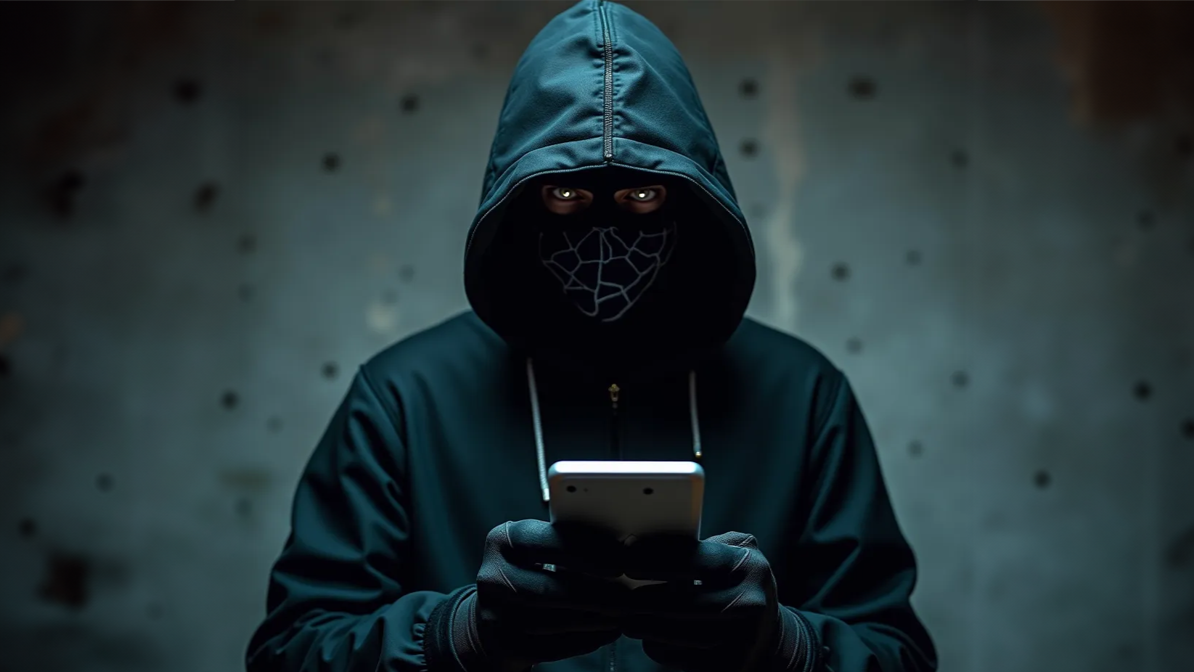
Despite endless warnings from cybersecurity experts and a growing number of high-profile data breaches, "password123" remains shockingly common. As we move deeper into 2026, it's critical to understand why such weak passwords are still so prevalent and the serious risks they pose in today’s digital landscape.
The convenience of a simple password often outweighs the perceived need for security. With dozens of accounts to manage, many people default to easy-to-remember passwords like "password123." But this convenience comes at a high cost—making it incredibly easy for hackers to gain access to your personal information.
A common misconception is, "Why would hackers target me?" This underestimation of risk leads many to use weak passwords, believing they’re not valuable enough to be hacked. But the truth is, hackers cast wide nets, and anyone using "password123" is an easy target.
The Overload of Online Accounts
The sheer number of online accounts we maintain can be overwhelming. To manage this digital overload, people often reuse simple passwords across multiple sites, exponentially increasing their vulnerability. A breach on one account can quickly cascade into a full-blown cybersecurity nightmare.
Let’s face it—human nature tends toward the easiest route. Creating and remembering complex passwords takes effort, and without immediate consequences, many opt for simplicity. This behaviour, however, opens the door wide for hackers. Not all websites enforce strong password policies. Some still allow weak options like "password123," perpetuating bad habits among users. Without strict requirements, many users continue to choose convenience over security, leaving their data exposed.
The real dangers of weak passwords
Using a weak password like "password123" is an open invitation to hackers. Here’s why:
Brute-Force Attacks: Hackers use automated tools to guess passwords, starting with common ones like "password123." This process can crack weak passwords in seconds.
Credential Stuffing: If one account is compromised, hackers can use the same password to access other accounts, especially if you’ve reused it across multiple sites.
Data Breaches: Weak passwords make it easy for hackers to breach your accounts, putting your personal and financial data at serious risk.
The 10 Most Common Passwords
Here’s a list of the most commonly used passwords—if any of these look familiar, it’s time for a change:
123456
password
123456789
12345
12345678
qwerty
123123
1q2w3e4r
1234567
password123
Why strong passwords are your first line of defense
A strong password is your best defense against hackers. It should be at least 12 characters long, combining upper and lower case letters, numbers, and special characters. Avoid using easily guessable information like your name or birthdate. Most importantly, each account should have a unique password to limit the damage if one is compromised.
Solutions to the "password123" problem
It’s time to upgrade your cybersecurity game. Here’s how:
Password Managers: These tools generate and store complex passwords for all your accounts, so you only need to remember one master password.
Two-Factor Authentication (2FA): Adding 2FA means that even if a hacker gets your password, they can’t access your account without a second authentication factor.
Education and Awareness: Stay informed about cybersecurity best practices. Understanding the risks and the importance of strong passwords is crucial in today’s digital age.
Enforce Strong Password Policies: Websites and services must enforce strong password requirements to protect their users from potential attacks.
The persistence of "password123" as a common password underscores a significant gap in cybersecurity awareness. As hackers become more sophisticated, the risks of using weak passwords far outweigh any perceived convenience. In 2024 and beyond, it's essential to prioritize strong, unique passwords and leverage tools like password managers and two-factor authentication to protect your digital life.
Cybersecurity isn’t just a buzzword—it’s a necessity. Let’s make sure we’re not making it easy for hackers. Take action today to secure your online presence.
Want to bring these ideas to your organisation?
Ferry speaks about AI, Brand Humanizing, and the future of work at conferences and corporate events worldwide. Book him for your next event.